
Safari Homepage > safari FAQ
safari FAQs
booking, travel and life on safari
your safari questions, answered
Answered by Amish Chhagan, professional wildlife photographer, conservationist and safari host. Each safari page also covers questions specific to that trip.
planning & booking
-
Start with the safari planner form. Tell me where you'd like to go, when, and who's travelling, and I'll come back to you with a proposal. A non-refundable deposit confirms your place, and the balance is paid on the schedule set out in your proposal.
-
Yes, safari prices are per person sharing a double or twin room or tent. Solo travellers are very welcome. If you'd like a room to yourself, a single supplement applies.
-
As a guide only, a well-planned safari staying inside the parks and reserves, with professional guides, costs from around US$800–1,000+ per person per day. Many things change that figure: the country, the season, the camps, group size, how private you'd like the trip to be, permits such as gorilla trekking, and internal flights. I don't offer budget safaris. Cheaper trips usually save money by staying outside the parks, crowding vehicles and cutting back on guiding, and that costs you the best of the experience. Every safari is costed for you in your proposal.
-
All the activities, accommodation, meals and transport during the safari, as listed in the itinerary. International flights, travel insurance, tips, personal expenses and anything not in the itinerary are not included. If a lodge isn't full board, the itinerary says which meals are extra.
-
It depends on where you go and what you want to see. In Kenya and Tanzania, June to October is the dry season, with excellent wildlife viewing and the Great Migration's river crossings in the Masai Mara. July and August are also the busiest and most expensive months. January and February bring a short dry season with fewer visitors. In Botswana and Zambia, the dry months from May to September draw wildlife to the water, while the green season, from November to April, brings newborn animals, lush scenery and dramatic skies. Gorillas can be seen all year. Mountain gorilla trekking in Rwanda and Uganda is rewarding in any month, and in the Congo Basin, Odzala-Kokoua sits close to the equator, so it stays warm with some rain every month, and the western lowland gorillas don't migrate. As a photographer, I love the quieter months either side of the peak, such as June, October and early December. Tell me what you'd like to see and I'll suggest the right time.
-
At least five or six nights, though it depends on the destination. On a classic five-night Kenya safari, I'd keep you in the Masai Mara for the whole stay, and the same works in the Serengeti in Tanzania. Gorilla treks, orangutan trips in Borneo or the Pantanal in Brazil can need quite different timings, so I plan the length around the trip. The most common mistake I see is packing too much into too little time, with one-night stays and long transfer days. It's better to experience fewer places deeply than many in a hurry.
-
I'll always do my best to help, but changes to a safari booking can't be guaranteed and may cost extra. The details are in the Safari Terms and Conditions.
-
Yes. I strongly recommend travel insurance for every safari, and on some journeys it is a condition of booking. Your policy should cover cancellation, medical emergencies, evacuation, and loss of or damage to your belongings, including camera gear.
is a safari right for me?
-
No. All you need is a passion for wildlife and a sense of excitement for the adventure. My safaris are photographer-led, so we follow the light and take our time at sightings, and that suits everyone. I photograph the journey, so you can leave your camera in your bag whenever you like.
-
It depends on the trip. Game-drive safaris need very little fitness. Gorilla and chimpanzee trekking means walking for a couple of hours at a time over uneven ground, and gorilla trekking has a minimum age of 15. Each safari page sets out what's involved, and minimum ages for activities are confirmed when you book. Please tell me about any medical conditions at that point.
-
Yes. I only work with camps and partners I know and trust. You're met when you land, every transfer is arranged, and the camp teams look after you throughout. Wild animals can walk through camp, so staff walk you to your room after dark, and on game drives you stay in the vehicle unless your guide says otherwise.
-
No. I choose places and seasons that give you the best possible chance, but these are wild animals, so no sighting can ever be guaranteed.
-
There's no single best country. It depends on the experience you want. Kenya and Tanzania offer golden savannahs, big cats and the Great Migration. Botswana has the waterways of the Okavango Delta and Chobe's elephant herds. Zambia offers remote wilderness and walking safaris in South Luangwa. Rwanda and Uganda are for mountain gorillas and chimpanzees, and the Republic of the Congo is home to western lowland gorillas. Tell me what you'd love to see, and the where becomes much easier.
-
It depends on how you like to travel. A private safari is planned around you, with your own vehicle, guide and dates. Group departures run on fixed dates with a small group, and I host them myself. The first is the Congo Basin in October 2027. Either way, groups are kept small.
-
Yes. Solo travellers are very welcome. You can join a small-group departure or book a private safari just for you. If you'd like a room or tent to yourself, a single supplement applies.
-
Yes, families are very welcome. I'd suggest children from seven years old, so they enjoy the experience and remember it. Many camps have family tents, and a private vehicle lets the safari run at your family's pace. Minimum ages vary by camp and activity, and gorilla trekking is for ages 15 and over because of the trek. Tell me your children's ages and I'll suggest the camps and activities that suit them.
photography on safari
-
On many trips, yes. I photograph the journey and share a curated selection of digital images with guests afterwards; each safari page says what's included. Fine art prints of your favourite moments can be ordered at extra cost.
-
Yes, whatever your level. On most of my safaris I'm out in the field with you, so I can help with settings, composition and reading the light as it happens: informal guidance, not a classroom. On dedicated photo safaris, photography is the focus. It's more like a course in the field, with plenty of time and opportunity to practise.
-
It depends on the safari, and anything from a phone to a full kit is welcome. On classic game-drive safaris, such as the Masai Mara, a long zoom lens is worth bringing, with a shorter lens for landscapes. Gorillas are much closer, so a mid-range zoom such as a 70–200 mm works well. Once you've booked, I send a camera kit list for your trip. Light-aircraft weight limits include camera bags.
-
Your vehicle and guide are private to your group, never shared with other travellers, and groups are kept small. Everyone has room to shoot, and we can stay at a sighting for as long as the light and the animals allow.
-
Yes. My safaris are designed for photographers and non-photographers travelling together. We take our time at the best sightings and plan drives around the best light, which makes for better wildlife viewing too.
-
Sometimes. Guests often feature in my images of the journey, and the Safari Terms and Conditions explain how they may be used. If you'd rather not appear, just tell me and I'll do my best to keep you out of shot, though that isn't always possible.
-
Yes, for personal use. Please credit @chags.photography when you post. I keep the copyright, so any other use needs my written permission. The details are in the Safari Terms and Conditions.
-
Yes. You can charge at camp, and the vehicles have power outlets too, so you can top up on the go. A spare battery is still worth bringing.
-
Usually not. Most national parks and reserves don't allow drones. In a few places you can buy a licence, so ask me before you pack one.
life on safari
-
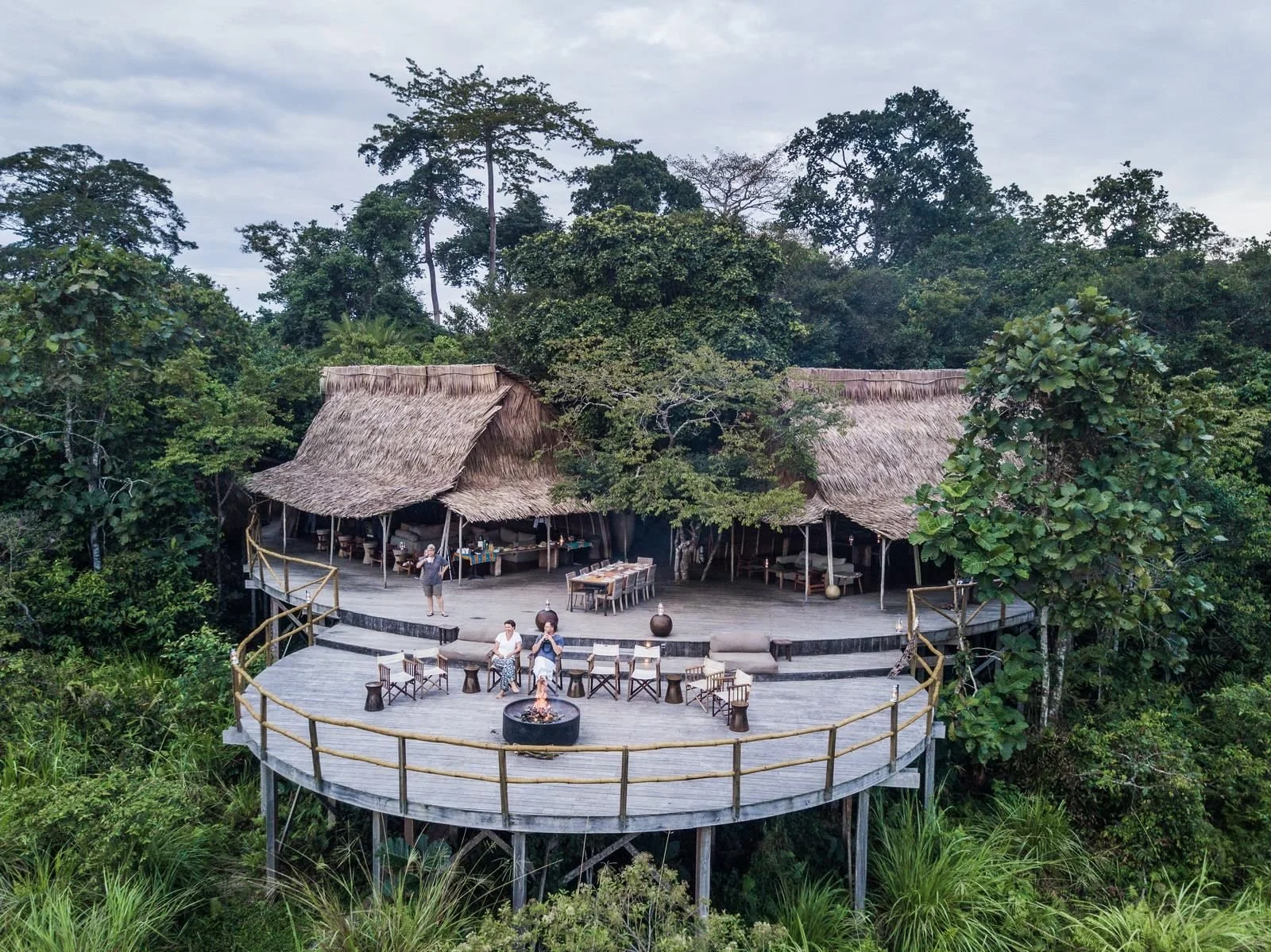
A typical safari day starts early, with coffee before heading out at sunrise, when the light and the wildlife are at their best. You're back at camp for brunch and a rest in the heat of the day, then out again in the afternoon until sunset, with dinner in camp. In the rainforest, days are built around gorilla tracking instead.
-
Small, handpicked and full of character. I favour eco-friendly, boutique camps over large hotels: comfortable rather than showy, with proper beds, en-suite bathrooms and teams who look after you throughout.
-
Yes, with advance notice. Meals in camp are included on full-board stays. Drink bottled or filtered water only.
-
Most safari camps have Wi-Fi in the main areas, often by satellite, so it's fine for messages but not for streaming. Mobile signal varies by destination, and I'll tell you what to expect for your trip.
-
Directly. I support selected conservation organisations, work with them, and give part of the profits from every safari and fine art print to their work. I also choose guides who respect wildlife, and camps that reduce their environmental impact, employ and train local teams, and put their fees back into protecting the land. You can read about the organisations I support on my conservation page.
visas, travel & packing
-
For most safari destinations, yes. What you need depends on your nationality and the country you're visiting. Once you've booked, I send you the exact steps for your trip. Getting your visa in time is your responsibility.
-
You need a passport valid for at least six months beyond your travel dates, with blank pages. Some countries require a yellow fever vaccination certificate, and many safari areas carry a risk of malaria, so see your doctor or a travel clinic a few weeks before you go. I send clear guidance for your destination.
-
Yes, you book your own international flights. From the moment you land, I take care of the rest: airport pick-up, transfers, and any internal flights in the itinerary. Each safari page tells you which airport to fly into.
-
Pack in a soft bag. Light aircraft have weight limits, often 15 kg per person including hand luggage and cameras. Road safaris are more relaxed, but one main bag and a daypack each is best.
-
Pack neutral colours (khaki, olive, beige), layers, a warm fleece or jacket for early mornings, a hat, sunglasses, sunscreen, insect repellent and binoculars if you have them. I send a full packing list, with camera kit advice, once you've booked.
-
Tips aren't included or compulsory on safari, but guides and camp teams really appreciate them. I'll share guidance on tipping and which currency to bring before you travel.

Updated October 2026

ready for your own safari?
tell me where you'd like to go and when, and I'll plan a photographer-led safari around you.