Alumni safari · June 2027
Masai Mara, Kenya
A different kind of reunion: wild stories, early starts, and the Masai Mara.
the trip: nairobi and masai mara
The Masai Mara is in south-west Kenya, on the border with Tanzania. It is the landscape most people picture when they think of a safari: open grassland, scattered acacias and big skies, with more wildlife than almost anywhere in Africa.
We spend five nights at a small tented camp inside the Masai Mara, either Entim Private or Ilkeliani, with our own private guides and vehicles.
We start and finish in Nairobi, with time at the end for good food, Kenyan coffee and the markets before flying home.
When
First two weeks of June 2027 (TBC)
Length
8 nights
Stay
Movenpick Hotel, Nairobi
Entim Private or Ilkeliani, Masai Mara
Guiding
Private guide, 4/5 guests per vehicle
Group
From 4 guests
Price
To be confirmed
Itinerary
the journey
Day 1 · Arrive in Nairobi
Airport pick-up and a night in Nairobi.
Day 2 · Into the Mara
Road transfer to the Masai Mara, 5–6 hours, with a stop at the Great Rift Valley viewpoint. First game drive in the afternoon.
Days 3–6 · Masai Mara
Morning and afternoon game drives with our private guides, and some days out from breakfast to sunset. Lions, leopards, cheetahs and elephants are all regularly seen.
Day 7 · Back to Nairobi
Breakfast at camp, then the drive back to Nairobi. Dinner out together.
Day 8 · Nairobi
Kenyan coffee, the Maasai Market and a beer garden afternoon, and a last dinner together.
Day 9 · Fly home
Airport drop-off in time for your flight.
Road transfers to and from the Mara and all airport pick-ups and drop-offs included.

Route
1 night Nairobi · 5 nights Masai Mara · 2 nights Nairobi
What’s included
Accommodation: 1 night in Nairobi, 5 nights in the Masai Mara and 2 nights in Nairobi
All meals and most drinks at camp in the Mara
Private professional guides and vehicles throughout
Masai Mara park fees
Road transfers between Nairobi and the Mara
Airport pick-ups and drop-offs
Not included
International flights
Kenya eTA and travel health insurance
Travel insurance
Single supplement
Meals and drinks in Nairobi
Tips and personal spending

“A safari isn’t just about what you see. It’s about how it shifts something inside you.”
The Masai Mara
Kenya's best-known safari reserve
Around 1,500 square kilometres of open plains, rivers and acacia woodland. "Mara" means "spotted" in Maa, the language of the Maasai, after the trees and shadows dotted across the grassland.
What sets it apart is the density of wildlife. The guides know the lion prides individually, leopards live along the Talek and Mara rivers, and cheetahs hunt out in the open where you can watch it happen. Elephants, giraffes, buffalo, zebras and hippos are part of every day.
Inside the reserve it is game drives only, with no walking or night drives, so the days are spent out in the vehicles.
The migration crosses in from July, so June isn't a migration month, and that is partly the point. The plains are still green from the rains, there are fewer vehicles, and the July crowds are a month away.
The camps
Entim Private or Ilkeliani
We'll stay at one of two small tented camps inside the reserve, confirmed once we know numbers. Both put us close to the wildlife, so we spend less time driving and more time on game drives.
Entim Private has eight tents near the Mara River, each with proper beds and an en-suite bathroom with a solar-heated shower, plus a lounge and viewing deck.
Ilkeliani sits in a river glade along the Talek River. It has 12 tented suites raised on stilts, each in its own grove of trees, with an en-suite bathroom and solar-heated shower.
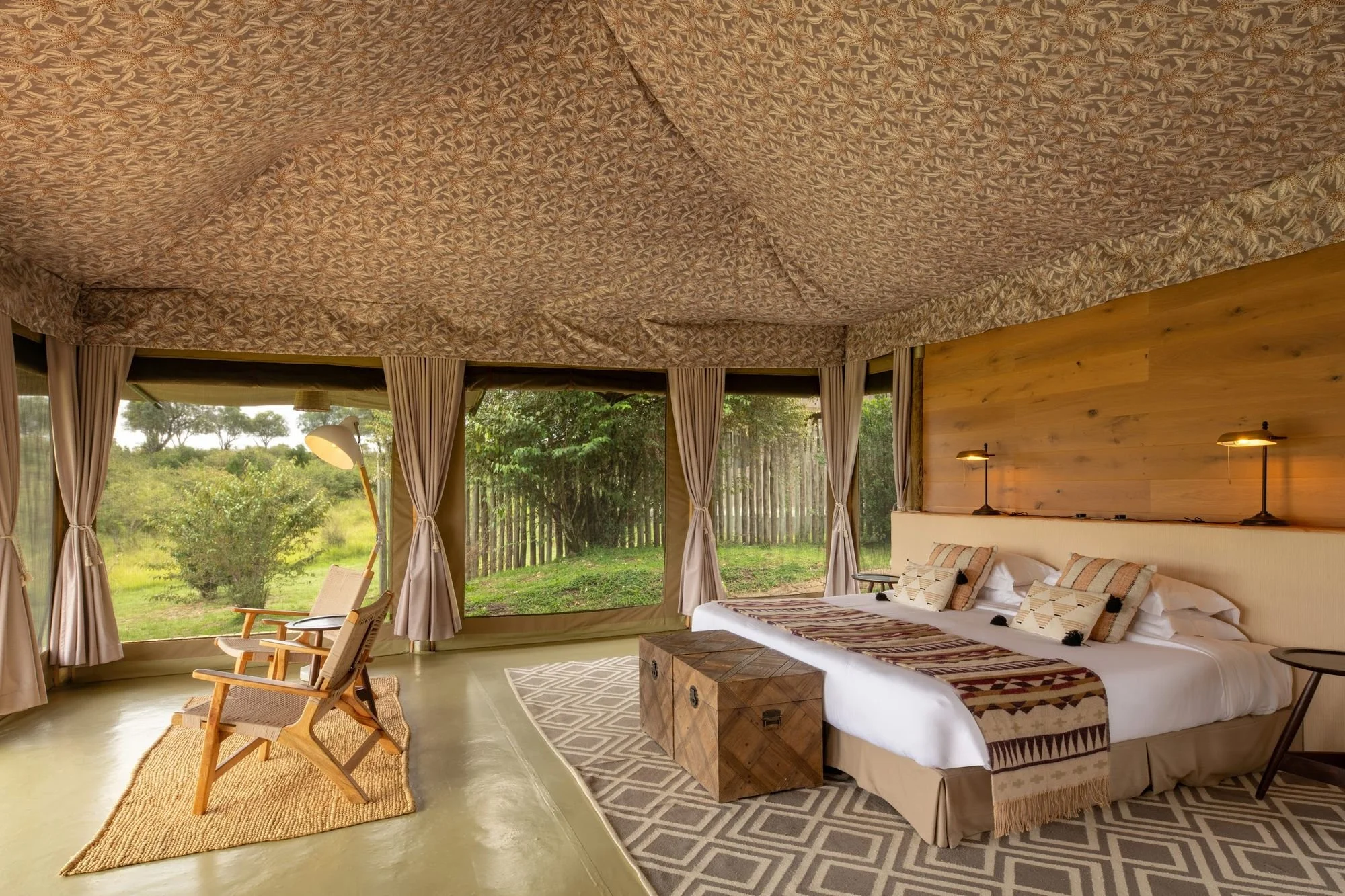
Entim Private
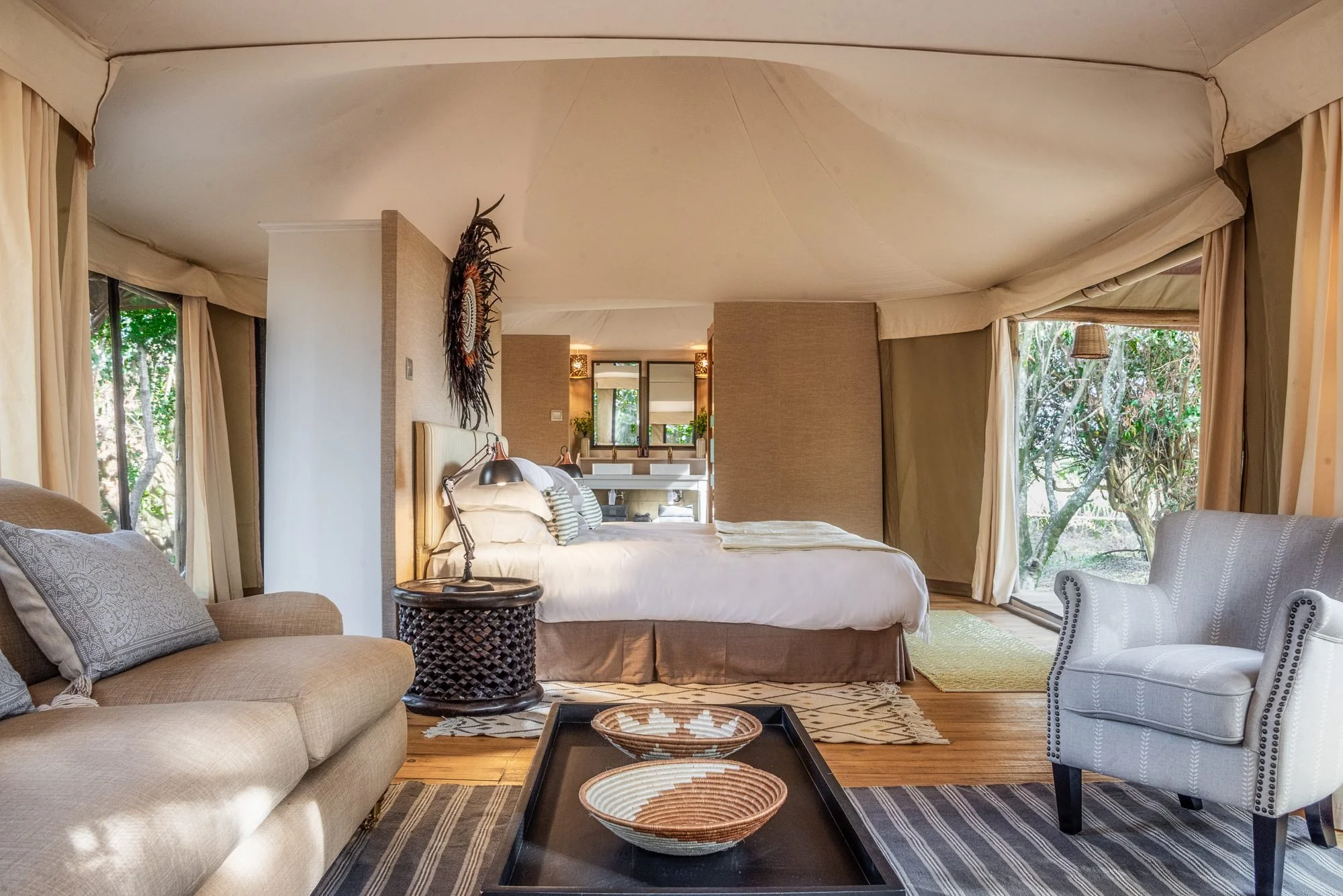
Ilkeliani
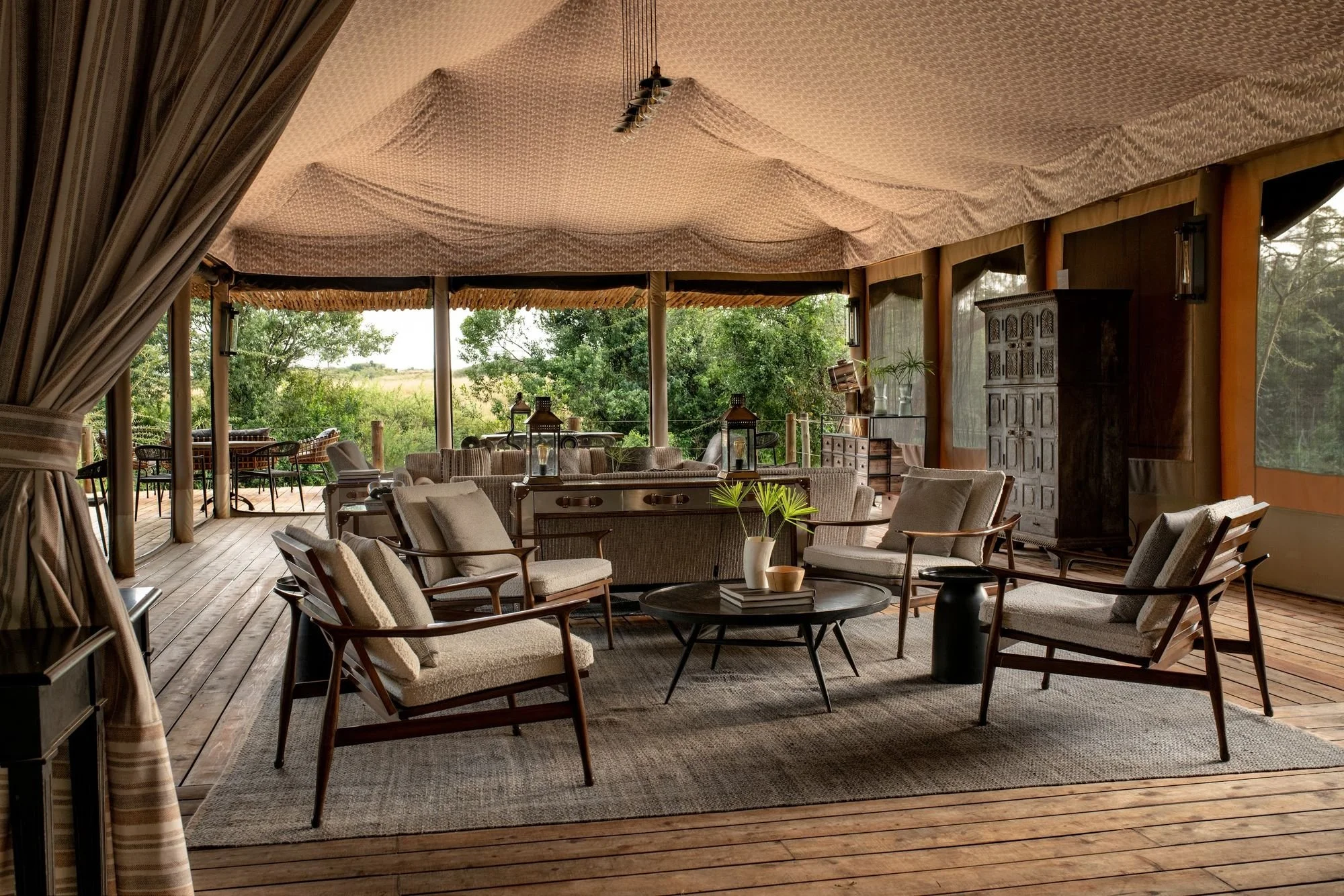
Entim Private
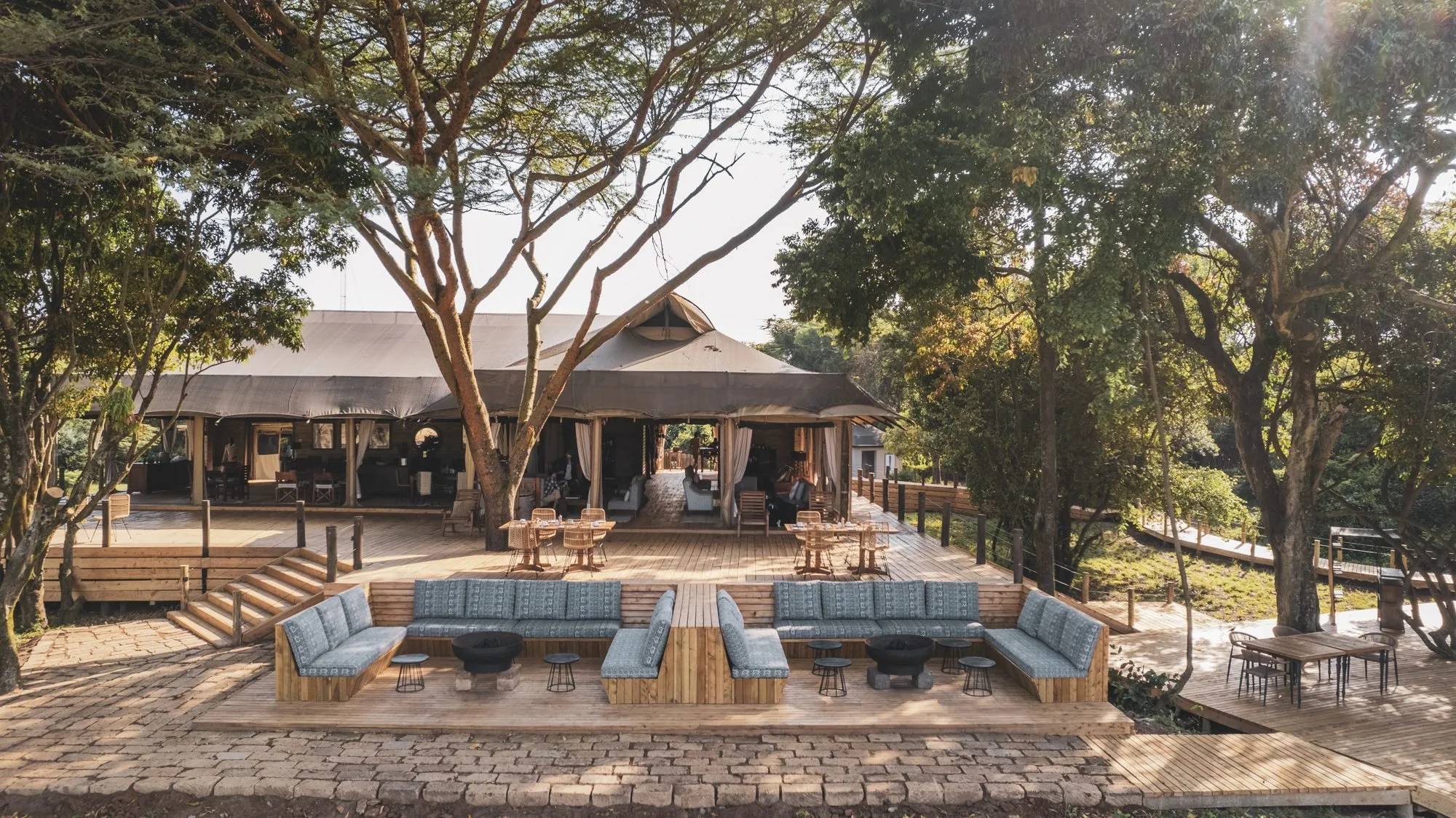
Ilkeliani
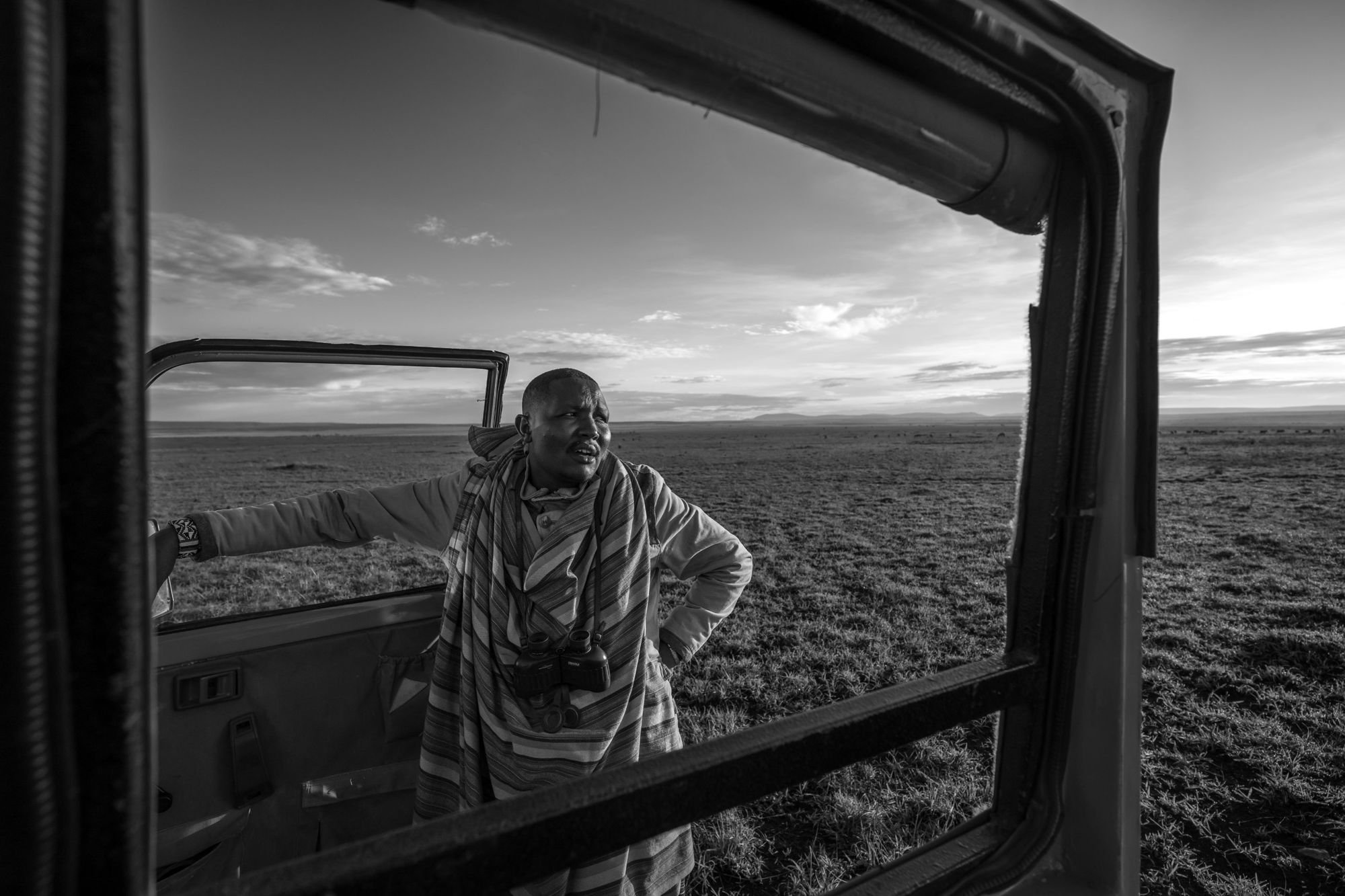
Guides
professional guides, private vehicles
Each vehicle has its own professional Maasai guide with over ten years' experience in the Mara, qualified through the Kenya Professional Safari Guides Association (KPSGA).
They track, read animal behaviour and know where to position the vehicle so everyone gets a clear view. They're just as good on birds, plants and Maasai culture as on the big cats.
Four guests per open-roof Land Cruiser, so everyone has a window seat. The vehicles are ours for the whole trip, so we set our own pace.
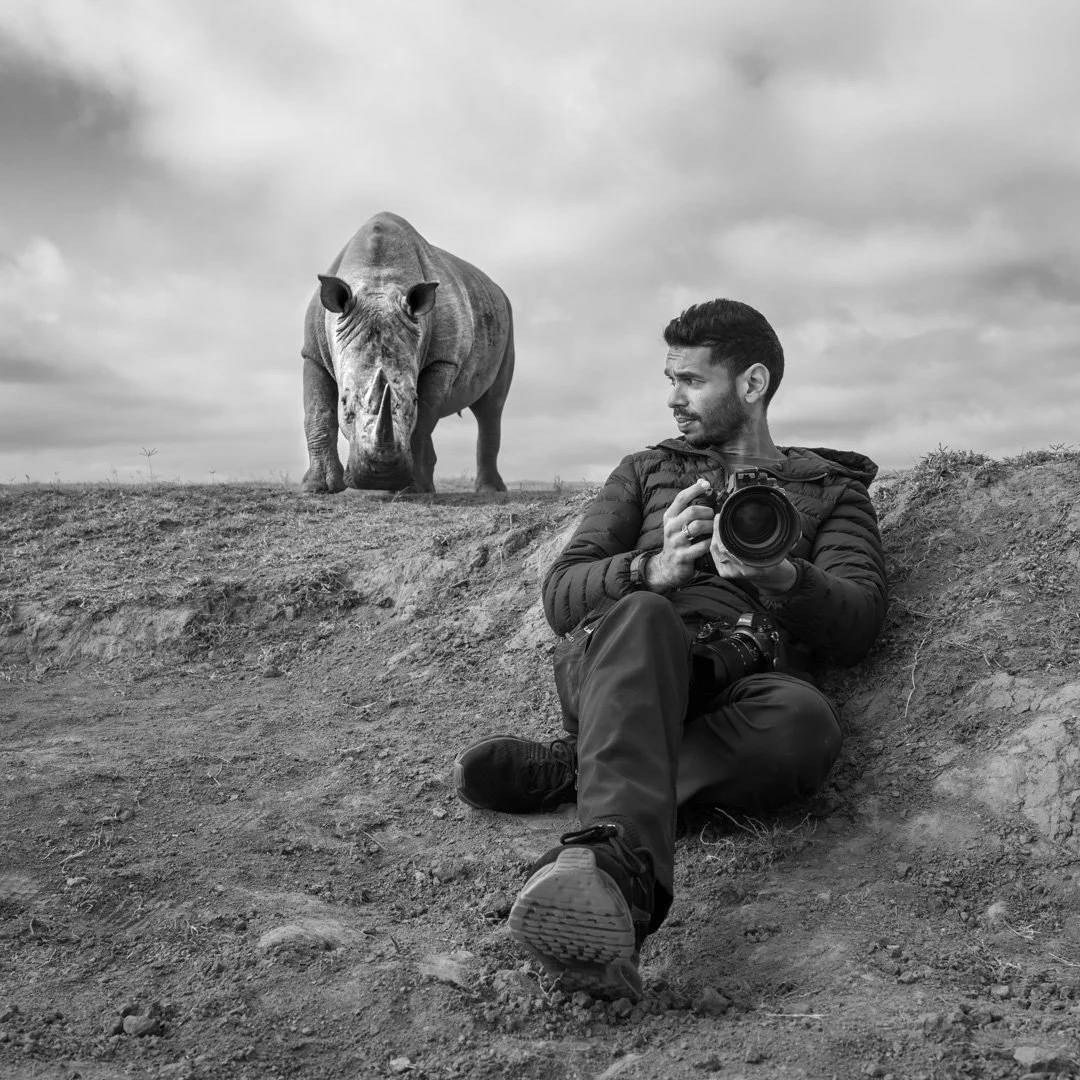
Your host
Amish Chhagan
Wildlife and conservation photographer, raised in Zambia and based between Barcelona and Africa. My first trip to the Masai Mara is what got me into wildlife photography, and I'll be hosting this one.
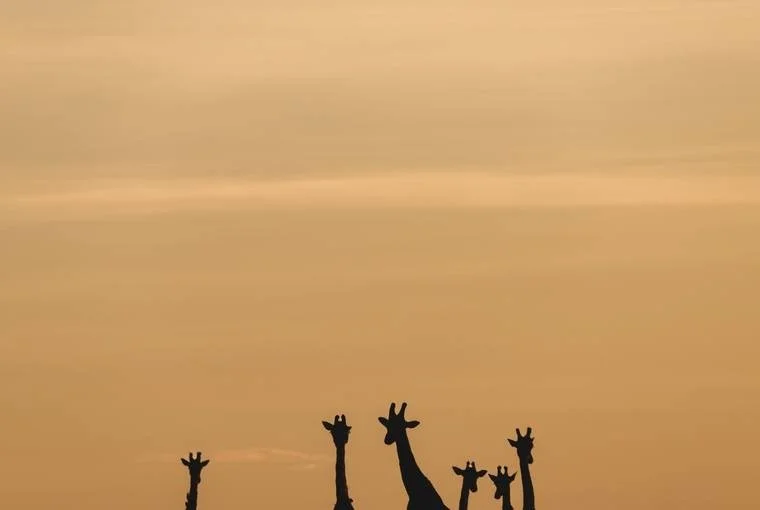
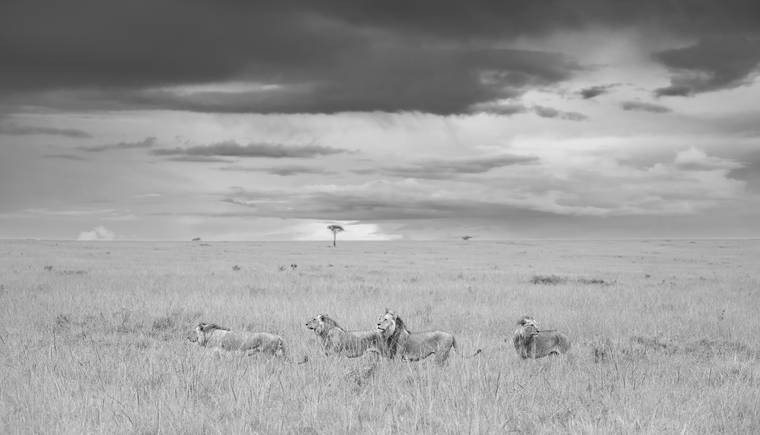
photography from my archive
A few of my photographs from years of safaris in East Africa.
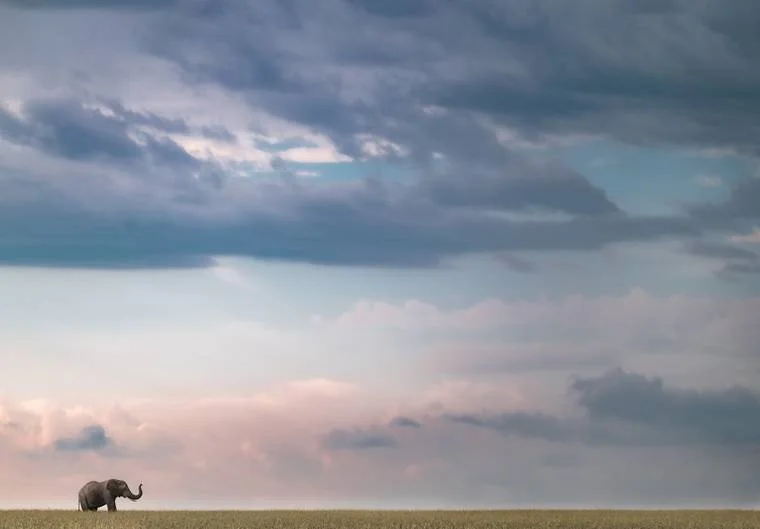
Minimalist
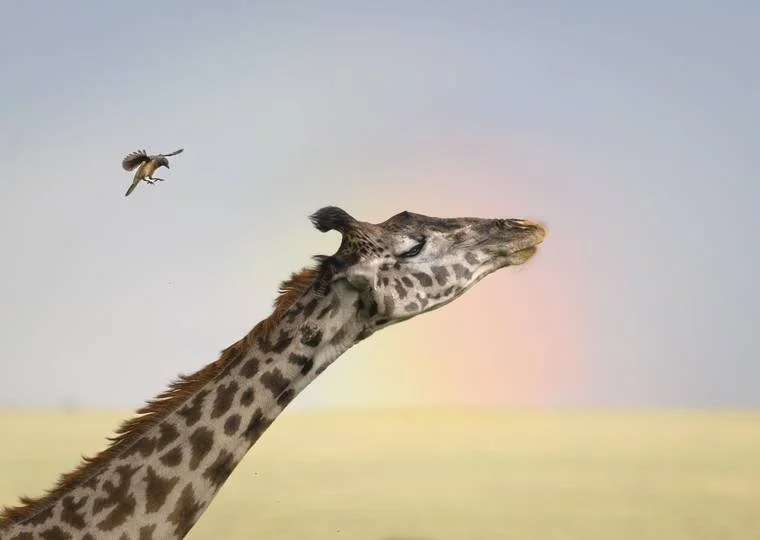
After the Storm
La Sagrada Familia
Kings Before the Storm
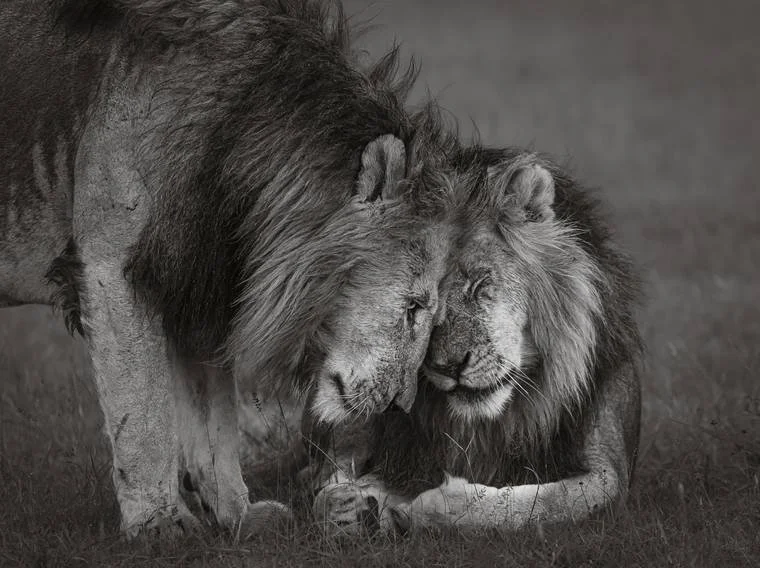
Reassurance
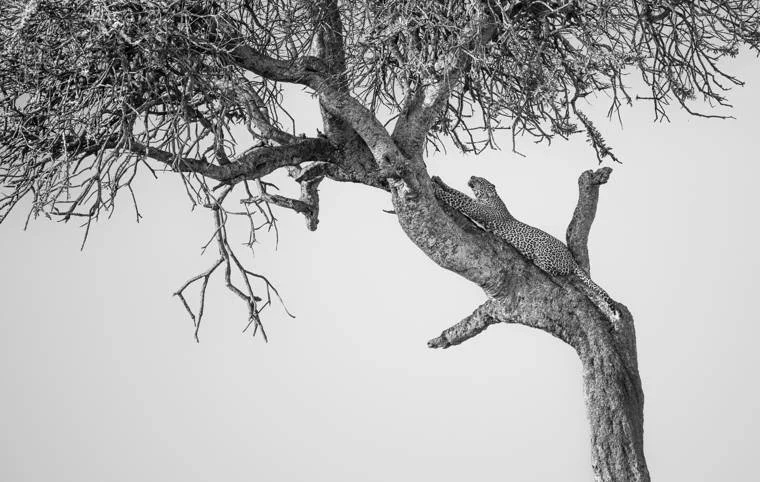
The Hidden Hunter
FAQ
-
What's a typical day on safari?
Wake-up around 5–5.30am, a quick coffee, and out on the morning game drive by sunrise. Back to camp for brunch and a rest in the heat of the day, then an afternoon drive until sunset and dinner in camp. Some days we take breakfast or lunch with us and stay out longer.
-
What will we see?
Lions, elephants, buffalo, giraffes, zebras and hippos are seen almost every day, and leopards and cheetahs often. Rhinos are rare in the Mara. Nothing is guaranteed, as these are wild animals.
-
What's the weather like in June?
June is the start of the dry season. In the Mara, days are mostly sunny and around 25°C, but early mornings drop to 10–13°C and the vehicles are open, so bring warm layers. There can be the odd shower.
Nairobi is at altitude and June is its cool season: mild days and chilly evenings.
-
Is the accommodation shared? Is there a single supplement?
Yes, accommodation is shared: two people to a tent at camp and to a room in Nairobi. Couples and friends share together.
If you'd like your own tent and room, a single supplement applies.
-
Do I need a visa?
Yes. Most visitors apply online for an Electronic Travel Authorisation (eTA) at etakenya.go.ke, up to 90 days before travel. It costs US$30 and is usually approved within three working days. Your passport needs at least six months' validity and a blank page.
Since 5 October 2026, every visitor also needs Kenya's travel health insurance. You buy it as part of the eTA application (about US$48 per adult) and it lasts 90 days. We'll send everyone the exact steps before we go.
-
Do I need vaccinations?
A yellow fever certificate is only needed if you arrive from, or transit through, a country with yellow fever risk (see the list). Flying direct from Europe or North America, you normally don't need it.
The Mara is a malaria area. See your doctor or a travel clinic about antimalarials and routine vaccinations a few weeks before you travel.
-
Do I need travel insurance?
It isn't compulsory, but we strongly recommend it.
Kenya's compulsory travel health insurance (see the visa question) only covers medical emergencies in Kenya, so it doesn't replace your own policy.
-
Which flights do I book?
You book your own international flights into Nairobi's Jomo Kenyatta International Airport (NBO).
Arrive any time on day 1 and we'll pick you up. Fly home any time on day 9.
-
How much luggage can I bring?
We travel by road, so there are no light-aircraft weight limits. Keep it to one main bag and a daypack each. A soft duffel bag is easiest to load into the vehicles.
-
What should I pack?
Neutral colours (khaki, olive, beige), layers, a warm fleece or jacket for early drives, a hat, sunglasses, sunscreen, insect repellent and binoculars if you have them. Plugs are UK-style (Type G). Plastic bags are banned in Kenya. We'll send a full packing list once you've booked.
-
Money and tipping?
The Kenyan shilling is the local currency, but camps take US dollars (notes printed after 2009) and major cards. Tipping isn't compulsory but is appreciated.
-
How do we get to the Mara?
By road from Nairobi in our own Land Cruisers, 5–6 hours each way with stops along the way, including the Great Rift Valley viewpoint. The last stretch is bumpy.
-
What are the camps like?
Entim Private and Ilkeliani are both tented camps inside the reserve, with proper beds, en-suite bathrooms and solar-heated showers. They're comfortable, not roughing it, and both have wi-fi.
-
What about food and drink?
Meals at camp are included. Let us know any dietary requirements in advance. Drink bottled or filtered water only.
-
Phone signal and wi-fi?
There's wi-fi at camp and mobile signal in much of the Mara. A Safaricom eSIM gives the best coverage.
-
Is it safe?
Yes. Kenya is generally safe for travellers and the camp team looks after you throughout. Wild animals can walk through camp, so staff walk you to your tent after dark. On game drives you stay in the vehicle unless the guide says otherwise.